
Skip to content
Water damage emergency? Calls answered 24/7(208) 877-4177
Huckleberry Restoration Call (208) 877-4177
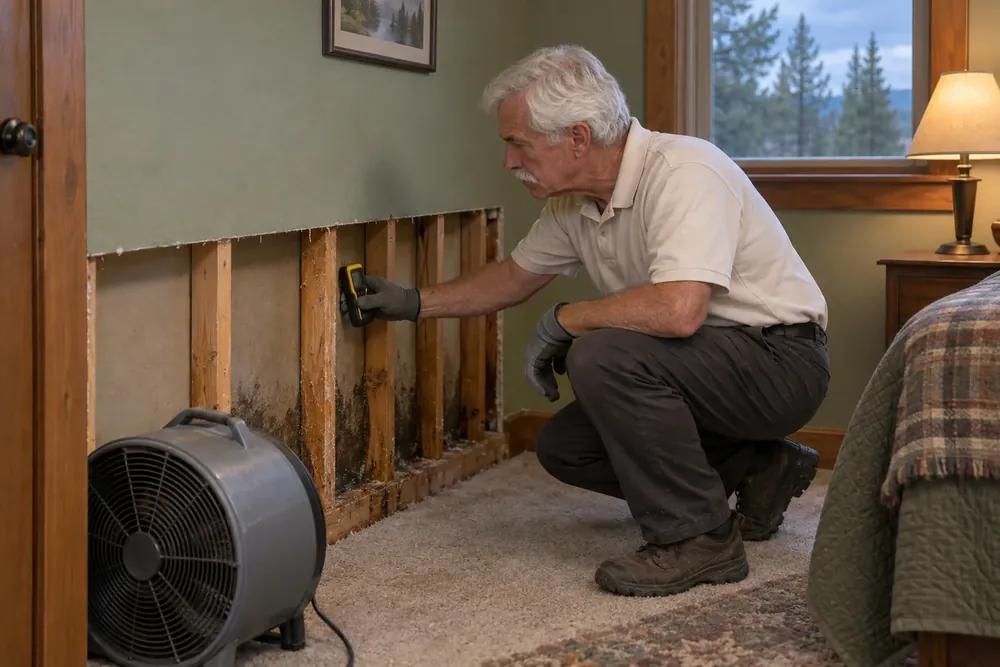
Technician crouching beside a cut-open bedroom wall, checking a stud with a moisture meter near a fan

Post Falls, Idaho · Restoration services

Water Damage Drywall Repair in Post Falls, ID

Our local restoration professionals assess, dry, and repair wet walls and drywall in Post Falls, ID. Moisture readings along the baseboard, studs, and sill plate establish where the wall needs opening and what must dry before replacement board goes up.

  • Phone calls answered 24/7
  • Stud and sill plate checks
  • Damage photos and readings

Opening and drying the affected wall

  • Moisture mapping. A moisture meter checks the wall face, trim, and accessible wood. Readings help distinguish the visible stain from moisture traveling behind the baseboard.
  • Measured openings. Your technician marks removal around the affected material, with a flood cut where needed. During water damage repair, wall cavities are opened to reach wet insulation and framing.
  • Material assessment. Softened board and insulation that cannot be saved are removed. Drywall contaminated by sewage or floodwater needs disposal rather than surface cleaning, as CDC guidance explains.
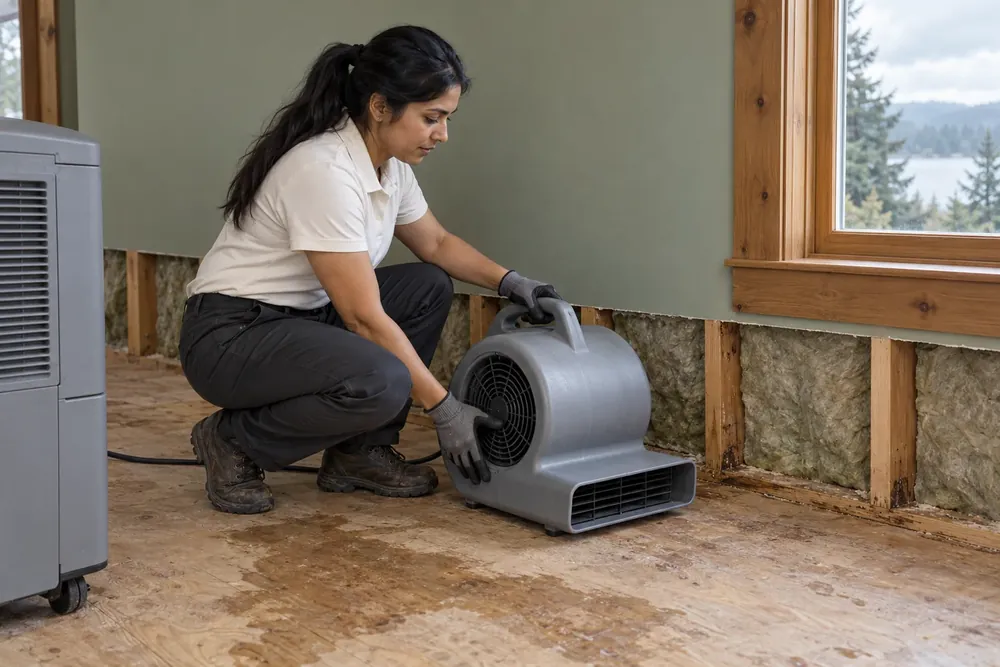
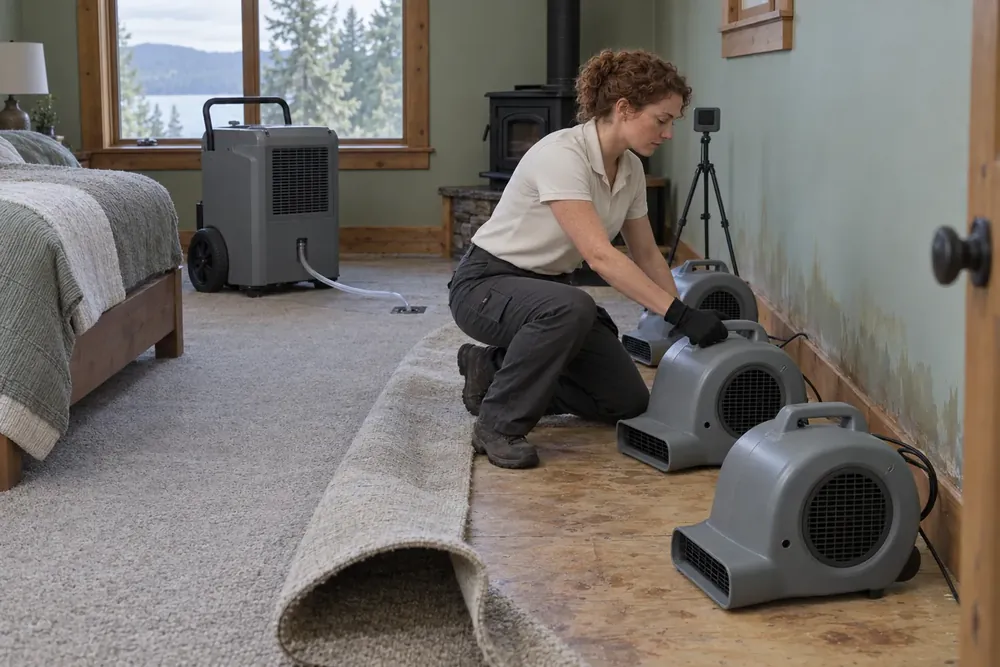
  • Framing dry-out. Air movers direct airflow across exposed studs and the sill plate while a dehumidifier collects airborne moisture. Further measurements show whether additional access or equipment adjustment is needed.
  • Closure planning. Replacement insulation and drywall follow the drying checks. The scope describes the opening, retained materials, and finish repairs so the wall is not closed around unresolved moisture.
Technician crouching to set an air mover beside an opened wall with exposed studs and insulation

Wall changes that warrant a call

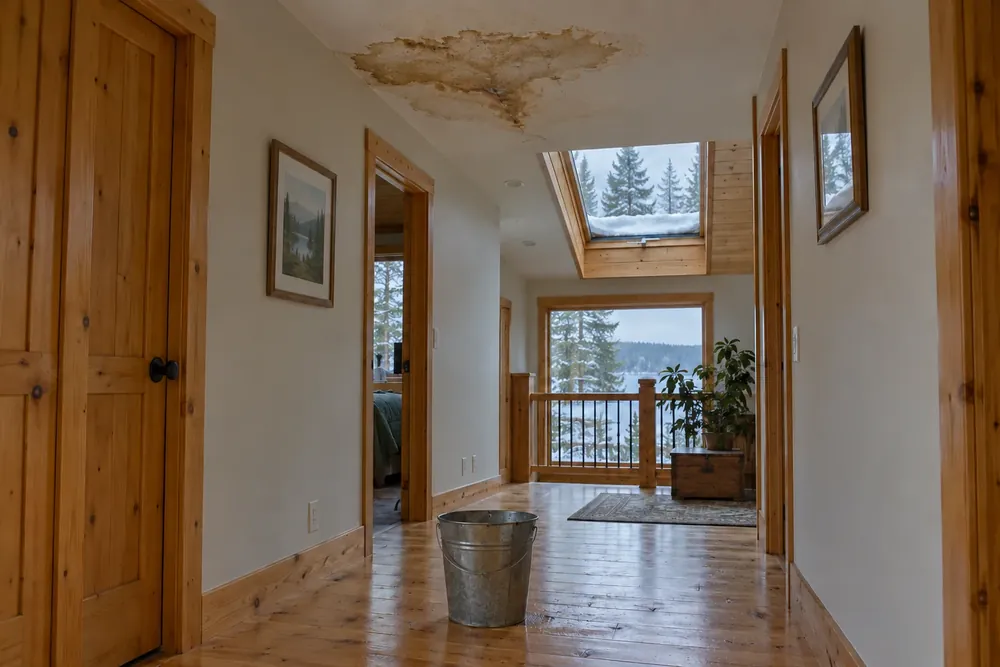
  • Water damage on walls that appears as spreading discoloration or blistered paint warrants a call while the mark is still changing.
  • Baseboard that swells, pulls away, or stays damp may have water behind it.
  • Drywall that crumbles near the floor needs assessment for removal and concealed wetting.
  • A musty smell from a closed wall deserves inspection even when the paint looks intact.
  • Dampness returning after a patch suggests the source or cavity moisture still needs attention.

The sequence for restoring wet walls

  1. Call with the location of the damp wall and any visible swelling, peeling, or leakage. You can describe the changes without taking off trim or cutting the board.
  2. Your technician traces the moisture pattern and checks nearby rooms where water may have traveled. The assessment sets the removal boundaries and identifies source repairs.
  3. Wet materials that cannot remain are taken out, and the exposed cavity is dried. Equipment placement changes as readings show where moisture remains.
  4. Framing measurements establish when rebuilding can proceed. New insulation, board, seams, and paint follow the agreed repair scope, with documentation of the opened area and drying progress.

How wall access changes the cost

Water damage drywall repair cost reflects the length and height of the opening, the insulation involved, and the time needed to dry the framing. Built-in cabinets, several layers of wall covering, or damage on both sides of a partition can require more access. Contamination also affects material disposal and cleaning.

Before the work begins, one of our local restoration partners will review the wall measurements, the proposed repairs, and the price with you. Separate source repairs and finish work should be clear in that scope. Read the water damage cost guide for an explanation of removal, equipment, and reconstruction costs.

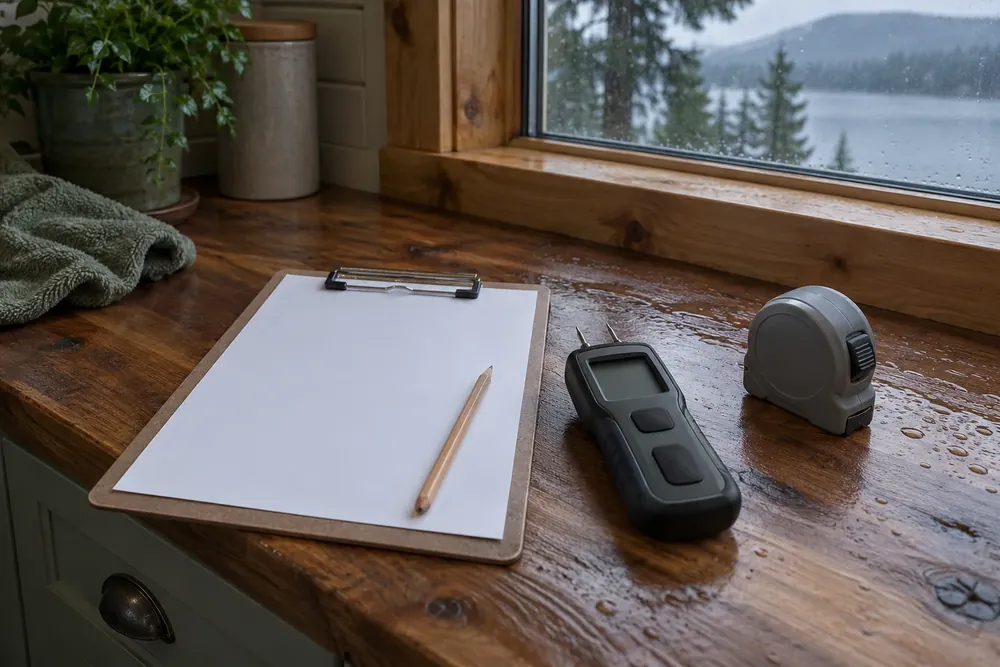
Blank inspection sheet, pencil, moisture meter and tape measure on a damp cedar countertop

A clear plan for wet wall repairs

  • Calls answered 24/7. A damp partition or leaking wall can be reported at any hour without waiting for the next business day.
  • Local restoration professionals. Your technician examines moisture behind the wall surface and explains which materials need access.
  • Price before work. Removal, drying, and the proposed wall repairs are discussed so you can review the scope before the job starts.
  • Records for your insurer. Damage photographs and written moisture readings accompany the scope; you retain the records for insurance documentation.

Leave wet wall openings to your technician

Avoid cutting a wet wall yourself; concealed wiring and suspect building materials need assessment before removal. Call and describe the damage while keeping children and pets away from the affected space. EPA warns that disturbing lead-painted surfaces or materials containing asbestos can release hazardous dust.

If water has reached sockets or electrical equipment, keep hands and appliances away. CDC electrical guidance says power should be shut off only from a dry, safely accessible location; an electrician should handle a switch reached through standing water.

Do not direct a household fan into visible mold or a contaminated cavity. CDC advises against fans where mold is present because airflow can spread it. Leave sewage-soaked board undisturbed for controlled removal.

Areas we serve around Post Falls

Our local restoration professionals serve homeowners in Rathdrum, Hayden, Coeur d'Alene, and Post Falls, Idaho, and Liberty Lake, Spokane Valley, Fairwood, and Spokane, Washington, with wet wall inspection, cavity drying, and drywall repairs.

Wall & Drywall Water Damage FAQs

Can wet drywall dry without being removed?

Some sound drywall can dry in place when the water was clean and the cavity is accessible, but softened or contaminated board needs removal. Your technician checks the facing, seams, insulation, and framing. A dry surface alone does not show that the inside of the wall has reached a suitable moisture level.

How much drywall needs to come out after a leak?

Removal extends far enough to reach damaged board and wet material behind it, rather than following one fixed cut height. Moisture readings help set that boundary. A flood cut may expose the lower studs and sill plate, while a plumbing leak higher up can call for a different opening.

What does water damage wall repair include?

It includes checking the moisture spread, removing unsalvageable material, drying the accessible framing, and planning the replacement finish. Source repairs are identified as part of the assessment. Your technician documents what is opened and what remains, then uses repeat readings to decide when insulation and board can be installed.

Can I replace the drywall as soon as the leak stops?

Replacement board should wait until the affected framing and cavity have been checked for remaining moisture. Stopping the leak prevents further wetting but does not dry the wall. For water damage repair, drywall installation follows moisture verification so new board does not conceal damp insulation or a wet sill plate.

Is swollen baseboard a sign of hidden moisture?

Swollen baseboard can indicate moisture at the wall's lower edge, though an inspection is needed to establish its extent and source. Water may collect behind trim or enter the sill plate before a larger stain appears. Call about the swelling, and your technician will assess the adjoining board and accessible framing.

Call to describe the damp wall or swollen trim, and get the inspection and drying process started.

Call (208) 877-4177
Call (208) 877-4177