
Guide · Water damage at home
Water Damage Restoration Cost in North Idaho
Water damage restoration cost in Post Falls, ID depends on the water source, affected materials and work needed to dry and rebuild them. One of our local restoration partners explains the inspected scope and proposed charges before work starts.
Cost follows the damage and repair scope
- Water damage restoration price depends on contamination, affected square footage, material condition and the time needed for drying.
- A usable estimate separates extraction, material removal, drying and rebuilding after an inspection establishes the scope.
- Insurance coverage, deductibles and policy limits determine how much of the restoration bill remains the homeowner's responsibility.
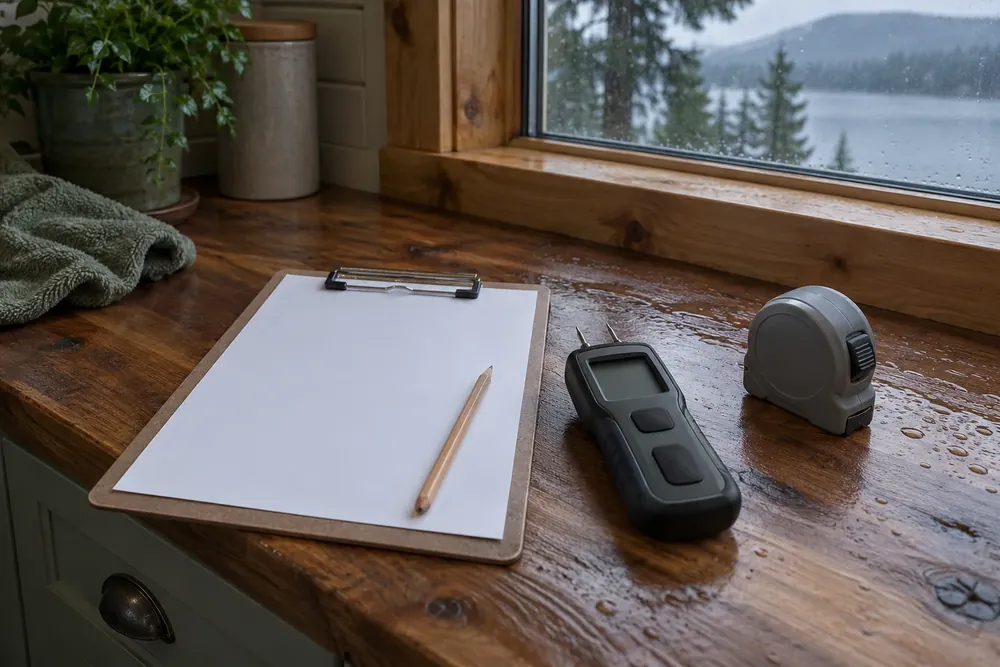
What an inspection puts in the estimate
An inspection establishes the wet area, the condition of the materials and the steps needed to dry and repair them. A room's visible stain is only part of the scope. Moisture may extend behind baseboards, into insulation or beneath a floor covering. A useful water damage repair price accounts for those layers and distinguishes cleanup from rebuilding.
The water source changes the work. Clean supply water, water carrying contaminants and sewage require different handling. The water category affects protective measures, material removal and cleanup. EPA guidance reserves its basic drying methods for clean water and calls for a different approach when sewage or other pollutants are involved. Drying contaminated carpet does not resolve the contamination.
Square footage includes the wet assembly. A small floor puddle can sit over a larger damp subfloor, while a broad spill on an accessible surface may involve fewer layers. The estimate needs measurements of affected floors and walls, plus an explanation of any wet ceiling or cavity. Room size alone cannot establish the full repair bill.
Materials determine access and replacement. Drywall, insulation, wood flooring and sheet vinyl respond differently to water. EPA guidance allows some sound drywall exposed to clean water to dry in place, but swollen board or damaged seams call for removal. The subfloor needs checking even when the finished floor looks sound. Access openings, waste removal, replacement materials and matching the finish each add work.
Ceiling water damage repair cost includes overhead access, damaged board removal and the repair area that needs finishing. Water damage floor repair cost depends on the flooring type, the subfloor condition and how much flooring must be lifted or replaced. An estimate should name the affected layers rather than treating a ceiling or floor as one surface.
Time wet changes the scope. Longer exposure gives water more opportunity to reach concealed materials and can bring mold into the assessment. The drying equipment may need to run for several days, with repeat readings determining the endpoint. Equipment time, inspection visits and any additional cleanup belong in the estimate. A single reading at the finished surface cannot establish that the whole assembly is dry.
Basement access adds work. Basement flood cleanup cost reflects the water source, extraction needs, affected storage and finishes, and access for removing debris. An unfinished concrete room and a finished room with carpet, wallboard and insulation have different scopes. Describe the basement conditions during your call; measurements and moisture checks establish the work at the inspection.
How much does water damage repair cost? The cost depends on an inspection of the wet area and damaged materials, because visible damage cannot establish how far moisture has traveled or which materials can remain. Your technician should explain the measured damage, drying plan and proposed repairs before work starts. If an opening reveals additional wet materials, the changed work and charges need another explanation.
Use the estimate discussion to cover:
- Which rooms, surfaces and concealed materials are included.
- How extraction, demolition, disposal and drying are itemized.
- How equipment time and repeat moisture checks are charged.
- Whether patching, painting, flooring and trim are included.
- How additional damage found during removal will be documented.
Insurance documentation belongs with the estimate. Keep the written scope, photos and moisture readings together for an insurance claim.
Photos, moisture readings and a written scope provide documentation for insurance. Your insurer determines coverage under the policy. You can call about restoration while discussing the loss with your insurer; an insurance decision is not a prerequisite for the call. The insurance and water damage guide explains the documentation to keep.
A written estimate makes the water damage cost to fix the home easier to assess by showing the measured damage, planned drying and separate repair stages. Call about the water you see, and our local restoration professionals will carry the assessment forward.
Call to discuss restoration costs for your wet ceiling, walls or flooring and how an inspection defines the work.
Call (208) 877-4177