Skip to content
Water damage emergency? Calls answered 24/7(208) 877-4177
Huckleberry Restoration Call (208) 877-4177
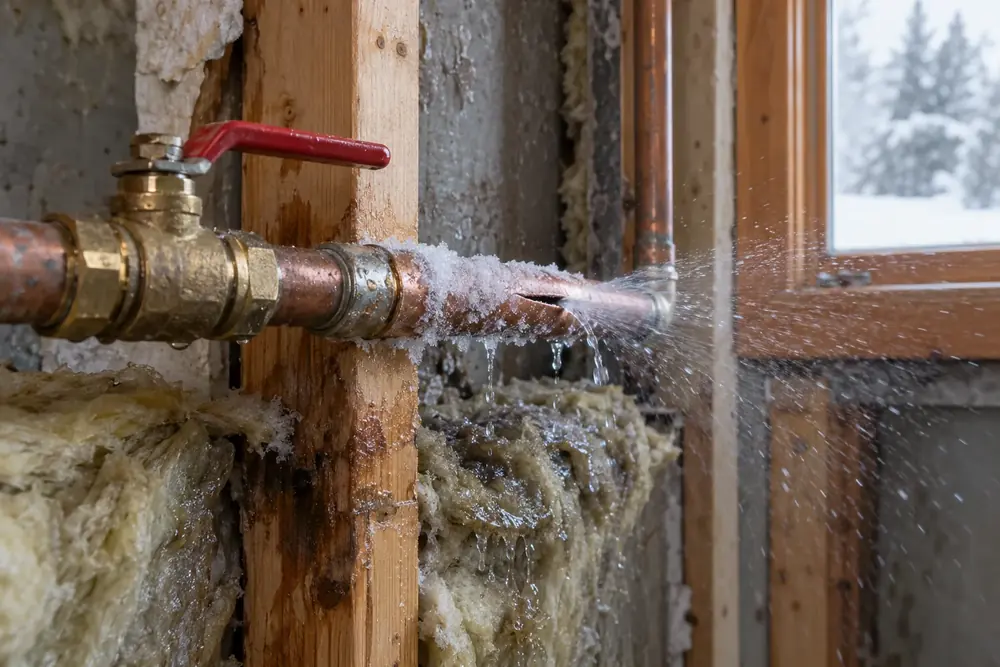
Split copper pipe spraying water over wet insulation beside a red handled shut-off valve

Post Falls, Idaho · Restoration services

Burst Pipe Water Damage in Post Falls, ID

Our local restoration professionals extract water and dry walls, subfloors and framing after a pipe break in Post Falls, ID. Your technician follows the moisture beyond the leak, because broken pipe water damage can spread beneath flooring and into adjoining rooms.

  • Calls taken around the clock
  • Wet cavities checked
  • Drying progress documented

Pipe leak cleanup reaches concealed moisture

  • Moisture mapping. Your technician checks the pipe opening, nearby walls and the room below with a moisture meter. Readings establish how far water traveled through the building.
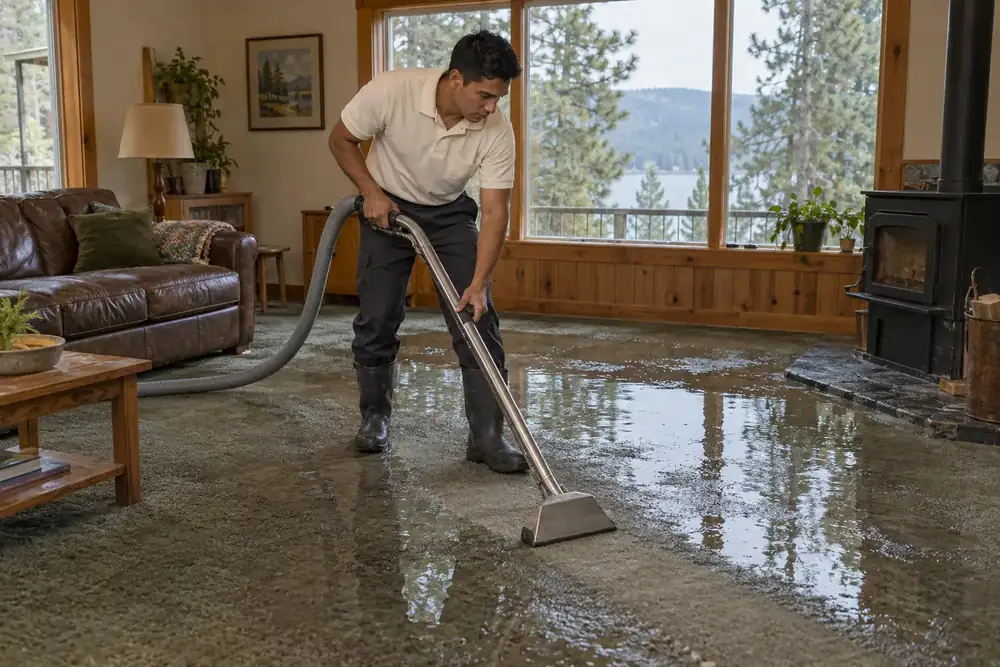
  • Water extraction. An extraction wand removes water from accessible flooring. Equipment placement accounts for wet electrical components and the route water followed.
  • Cavity access. Baseboards, damaged drywall or saturated insulation are removed where needed to reach concealed moisture. Sound materials remain when their condition and drying access allow.
  • Framing and subfloor drying. Air movers direct airflow across exposed surfaces, and dehumidifiers reduce moisture in the room air. Repeat readings guide adjustments to the drying setup.
  • Work records. Photos and moisture logs document the affected areas and material removal. The scope identifies cleanup tasks separately from plumbing repair and replacement finishes.
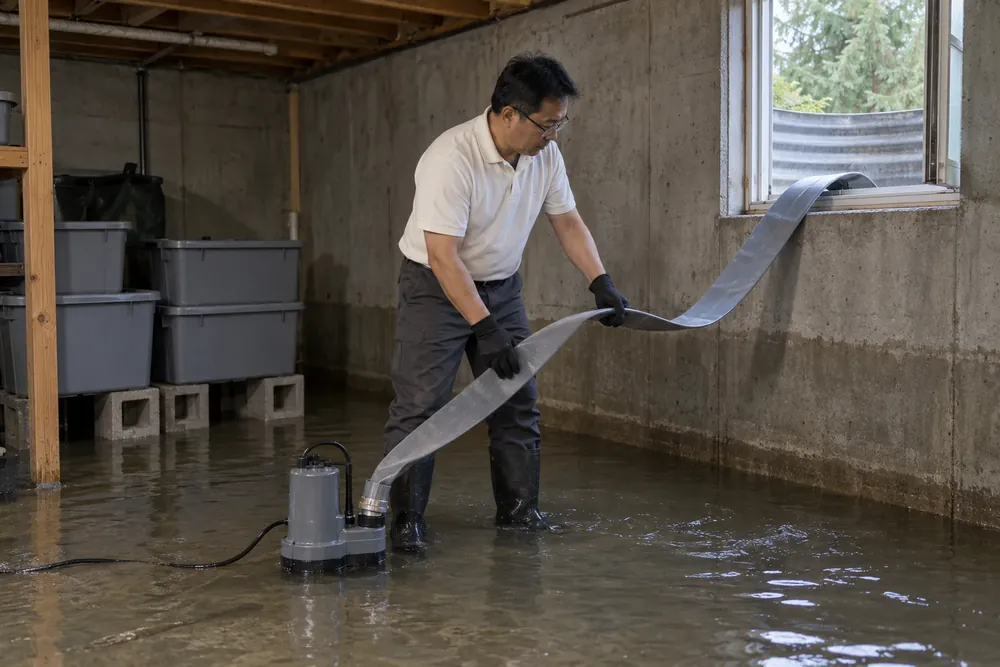
Technician in boots adjusting a pump hose in a flooded basement with storage totes raised on blocks

A pipe break leaves more than puddles

  • A spray or steady stream escapes from a supply pipe or fitting.
  • Water appears under cabinets while nearby plumbing sounds continue.
  • Ceiling stains spread below a bathroom or utility room, or drywall starts to sag.
  • Flooring swells at joints, and baseboards pull away beside a suspected leak.
  • Water pressure drops while damp patches spread; call to describe the change without opening the wall yourself.
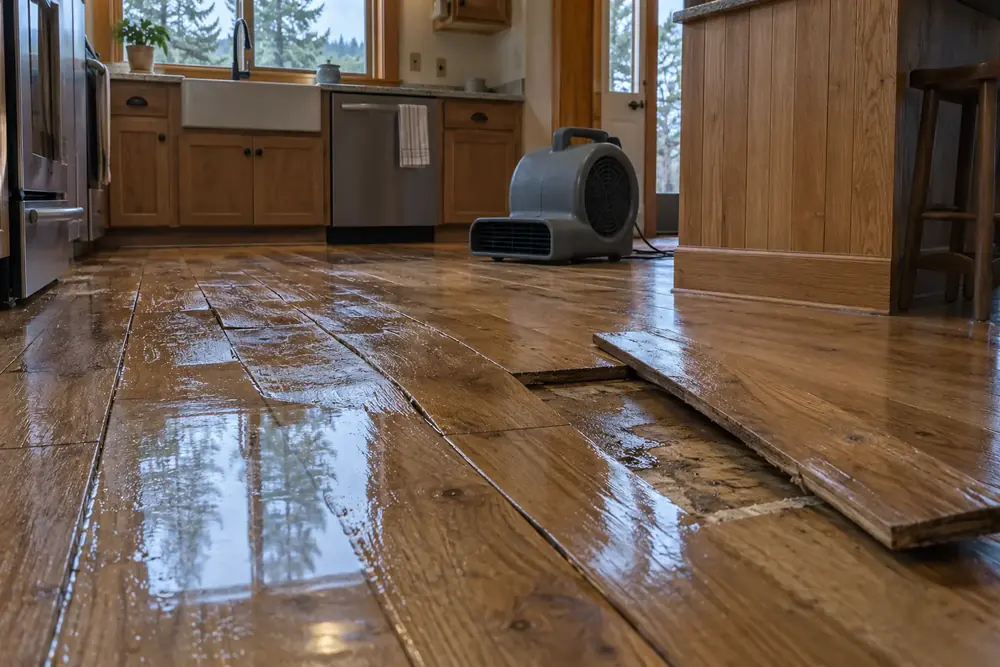
Cupped oak floorboards beside a kitchen island, with one board lifted above a damp subfloor.

Extraction follows leak control and inspection

  1. Make the call. Describe the pipe break and the surfaces getting wet. The conversation starts the cleanup request while you stay clear of water and electrical hazards.
  2. Assess the spread. Your technician records moisture in adjoining rooms and concealed spaces. A plumber handles the damaged pipe; cleanup planning accounts for stopping the leak.
  3. Extract and open access. Standing water is removed after hazards are addressed. Damaged materials are taken out where needed to expose wet framing.
  4. Dry and verify. Air movers and dehumidifiers run while readings track the wood and subfloor. Replacement drywall and flooring follow verified drying.

Pipe access and water spread set the scope

Busted water pipe repair cost depends on access to the break and the plumbing repair required. Cleanup adds extraction, material removal and equipment use. The broken water pipe repair cost should be listed separately from drying the surrounding rooms.

Ask how burst water pipe repair cost accounts for opening a wall and replacing the affected pipe section. Water beneath cabinets or between floors can expand the cleanup scope beyond that repair.

Before work starts, one of our local restoration partners will review the scope with you and explain the charges. The water damage cost guide outlines the factors behind removal, drying and rebuilding.

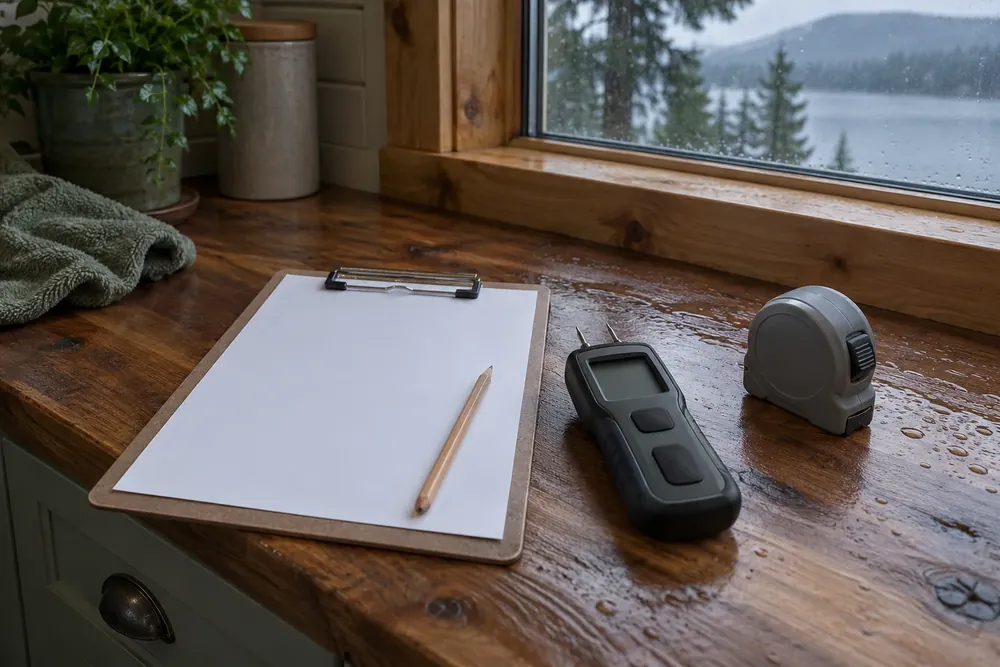
Blank inspection sheet, pencil, moisture meter and tape measure on a damp cedar countertop

Describe the leak and start the cleanup

  • A call at any hour. Calls are answered 24/7 when a leaking pipe leaves flooring or wall cavities wet.
  • Restoration professionals serving nearby towns. The discussion follows the water from the pipe opening to the affected materials.
  • A scope you can review. Charges are explained before cleanup starts, with plumbing work distinguished from extraction and drying.
  • Records for your insurer. Inspection photos, readings and written descriptions document wet surfaces and the cleanup performed, without deciding coverage.

Stop water only from a safe position

Close the main water valve if you can reach it safely, and call about the wet rooms without stepping into standing water. EPA advises shutting water valves when pipes burst and warns against thawing frozen pipes with a torch.

Keep away from sagging ceilings and wet fixtures. CDC recommends an electrician's inspection before restoring power after water has affected the electrical system. Do not touch a wet appliance or reach a breaker panel through water.

If the pipe is still frozen, leave heating and repair decisions to a plumber. Use a battery flashlight to see from a dry doorway. Photos can wait until the room is safe to enter; a damage report does not require entering a hazardous area.

Areas we serve around Post Falls

Our local restoration professionals serve homes in Post Falls, Hayden, Rathdrum and Coeur d'Alene, Idaho, and Liberty Lake, Spokane Valley, Fairwood and Spokane, Washington, tracing pipe leaks into wet walls, ceilings and floors.

Burst Pipe Water Damage FAQs

What to do if water pipe bursts flood a room?

Call about the water damage and close the main water valve only if the route and valve are safe to reach. Stay away from wet outlets, appliances and sagging ceilings. A plumber repairs the leak, while restoration work addresses water that has entered insulation, flooring and framing.

What happens if pipe bursts go unnoticed?

An unnoticed pipe break can keep feeding water into concealed spaces, increasing the area that needs opening and drying. Water follows joints, penetrations and floor layers, so the visible stain may be smaller than the wet area. Moisture readings help establish the cleanup boundary after the leak is controlled.

How do I know whether a pipe has burst?

Spraying water, unexplained pooling or a pressure drop accompanied by wet walls can point to a broken pipe. A hidden break may first show as a spreading ceiling stain below plumbing. Call with what you notice; locating the exact failure does not require you to cut into drywall or enter a crawl space.

Can a pipe leak affect the floor below?

Yes, water from a pipe leak can pass through floor penetrations and collect in a ceiling cavity below. Insulation may hold moisture even when dripping stops. Your technician checks both levels and uses readings to decide where access is needed before air movers and dehumidifiers are placed.

Are burst pipes covered by insurance?

Your insurer makes that decision. Photos, readings and a written cleanup scope document the damage and the extraction and drying work performed in the affected rooms at each stage of cleanup; see the insurance and water damage page for documentation steps.

Call about the leaking pipe and the rooms it has reached to start extraction and measured drying.

Call (208) 877-4177
Call (208) 877-4177