
How it works · Water damage
What Happens When You Call
Our local restoration professionals inspect water damage in Post Falls and explain the work needed to remove water and dry the structure. The process begins with a call about the rooms and materials affected.
From the Call to Drying
Describe the water damage
Start the call with your address and what you see: standing water, a ceiling stain, wet carpet or a drain backing up. Everyday words are enough. You do not need to identify the cause or measure the affected area to call.
During the conversation, explain which rooms are wet and when you first noticed the problem. Say whether water is still entering. A kitchen leak that reached the room below needs a different inspection from water pooling across a basement floor. Mention any odors, loose flooring or damp baseboards you have already noticed from a safe position.
Arrange the inspection
Calling connects you with one of our local restoration professionals, who sets the visit time with you and explains the inspection, drying plan and price before work starts. Share access details during that conversation, including a locked gate or a tenant who needs notice.
Your technician will ask about the likely source and the materials involved. Explain what you know, even if the leak is concealed. The inspection establishes the extent of the damage; a phone description alone cannot show how much moisture has reached a wall cavity or subfloor.
Locate moisture beyond the surface
The inspection checks visible damage and moisture inside affected building materials. Your technician uses moisture readings to help distinguish a surface stain from a wet assembly. Wall edges, flooring transitions and the room beneath a leak can all need attention.
The water source also matters. Cleanup methods for a supply pipe leak differ from those for a sewage backup. Tell your technician about drain overflow or outdoor water entering the building. Keep clear of water near electrical outlets and stay away from a sagging ceiling; describe those conditions by phone from a dry, safe location.
Review the scope and price
Your technician explains the proposed work and its price so you can review both before authorizing the job. The scope identifies water removal, materials that need removal, drying equipment and moisture checks. Ask which repairs are included and which require a separate arrangement.
Some damage becomes visible only after wet flooring or drywall is opened. Ask how additional findings will be documented and priced before further work is authorized. Photos, readings and a written scope provide a record of the condition and planned work. They can also serve as documentation for insurance.
Follow the drying plan
Drying follows water removal and any necessary removal of damaged materials. Air movers circulate air across wet surfaces, while dehumidifiers reduce moisture in the room air. Equipment placement depends on the structure and the water source.
Your technician explains how the equipment should run and when moisture will be checked again. Keep cords and equipment accessible, and ask about room use during drying. Finishing repairs follow the drying checks so new drywall, trim or flooring does not cover remaining moisture. Read how drying progress is measured for more detail about that stage.
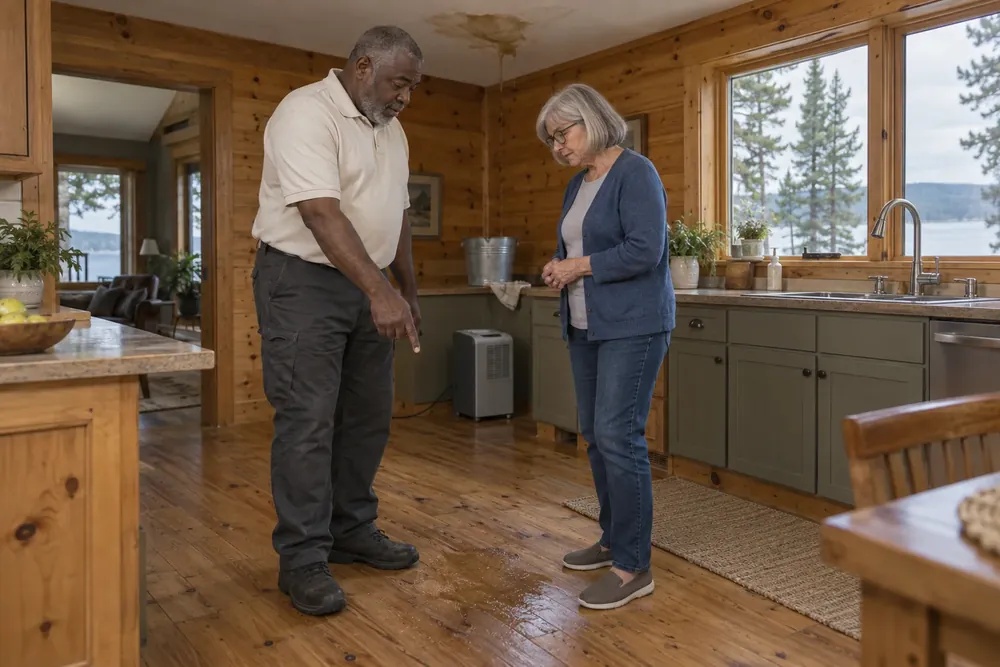
Call to describe the wet rooms and discuss the inspection, drying plan and next steps for your property.
Call (208) 877-4177