Skip to content
Water damage emergency? Calls answered 24/7(208) 877-4177
Huckleberry Restoration Call (208) 877-4177
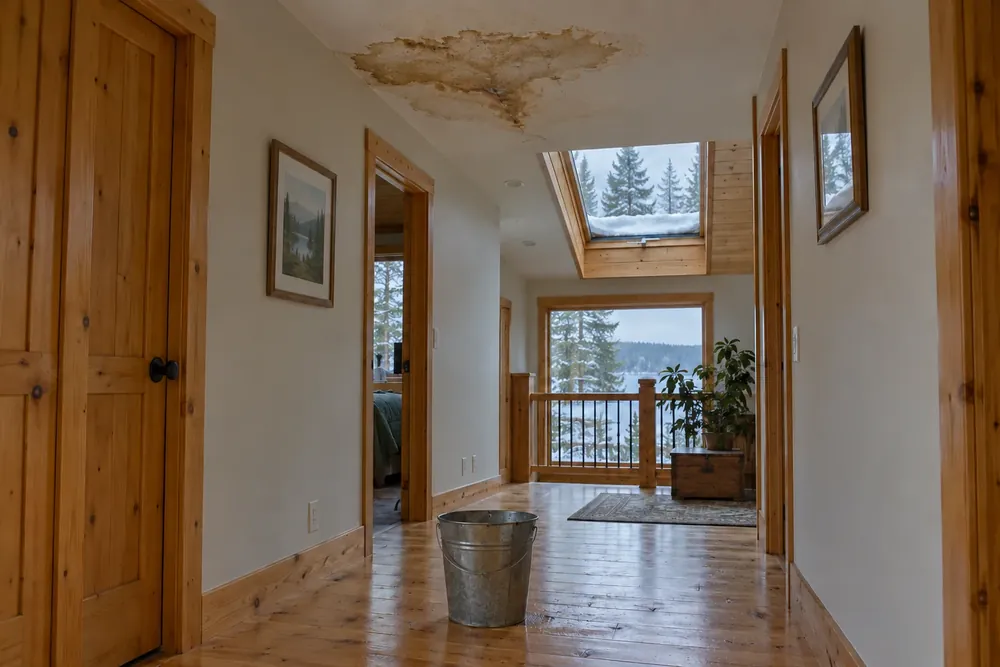
Brown stain and hairline crack across sagging hallway drywall, with a steel bucket beneath.

Post Falls, Idaho · Restoration services

Ceiling Water Damage Repair in Post Falls, ID

Our local restoration professionals inspect, dry, and repair water-damaged ceilings in Post Falls, ID. Your technician checks the stain, the ceiling cavity, and nearby framing so the repair addresses trapped moisture as well as the visible patch.

  • Calls answered 24/7
  • Ceiling cavity moisture checks
  • Written scope before work

Inspection, drying, and ceiling repair

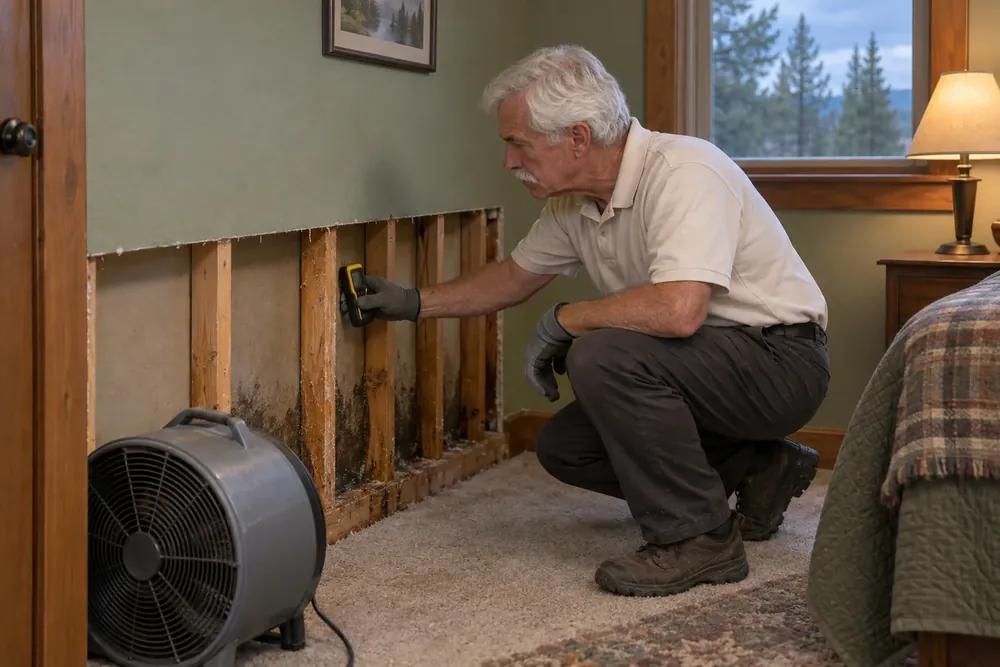
  • Moisture inspection. Your technician measures the stained area and adjacent surfaces with a moisture meter. Checks above the ceiling help establish how far the water traveled.
  • Leak assessment. The inspection looks for plumbing leaks or water entering from above. Plumbing or roof repairs are identified separately so continuing leakage does not undo the drying work.
  • Controlled removal. Loose drywall and insulation that cannot be retained are removed with the area protected. During water damage repair, ceiling openings give access to wet joists and concealed surfaces.
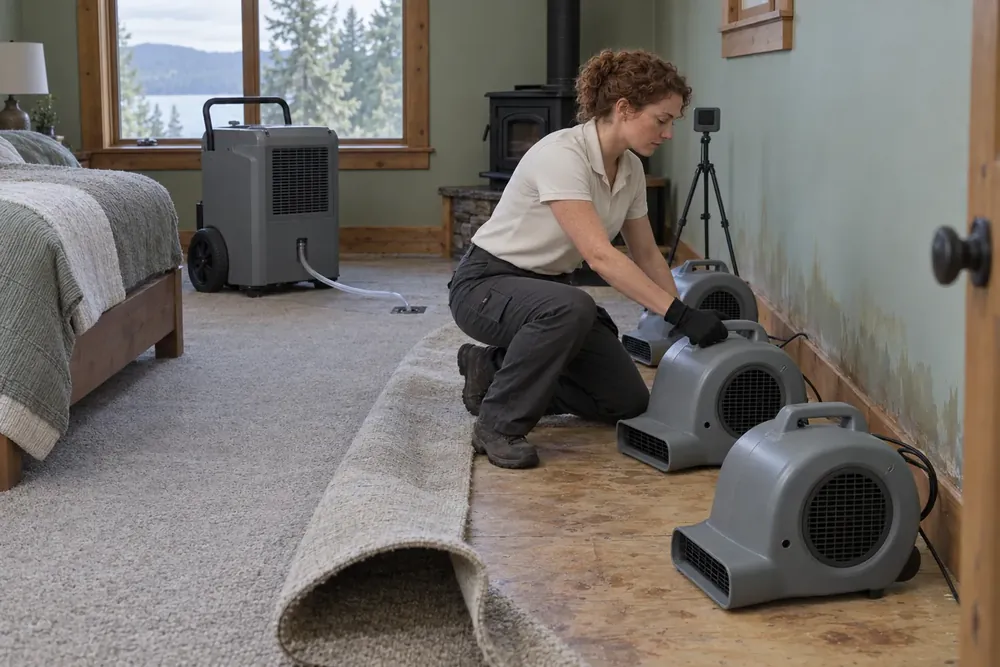
  • Cavity drying. Air movers and a dehumidifier move air through accessible spaces and remove moisture from the room. Repeat readings show whether the framing is drying.
  • Repair preparation. Dryness checks come before replacement board, joint compound, and paint. Photos, readings, and a written scope record the affected materials and the proposed finish work.

Signs that overhead moisture needs attention

  • Call about water damage on ceiling surfaces when a brown ring spreads or returns after painting.
  • A seam that opens, blisters, or sheds joint compound needs inspection for moisture behind the board.
  • Drips around a light fixture warrant a call from outside the affected room.
  • A bulge or sag means the area underneath should stay clear while help is arranged.
  • A damp smell near a ceiling stain can point to wet material above the visible surface.

From your call to a dry ceiling

  1. Call and describe the room, the stain, and any dripping or sagging you can see from a safe position. The conversation starts the ceiling restoration request.
  2. Your technician checks moisture around the damaged section, assesses access above it, and identifies the leak repair needed to stop further wetting.
  3. After the source is controlled, unsalvageable material is removed and drying equipment is placed. Moisture measurements track progress in the exposed framing.
  4. The affected cavity is checked before it is closed. The repair scope sets out board replacement, seam finishing, and painting, with the drying record kept alongside it.

What determines the ceiling repair scope

Ceiling water damage repair cost depends on the wet area, access above the ceiling, and the materials that need removal. A small stain may hide wet insulation across a larger cavity. High ceilings, textured finishes, and moisture around electrical fittings also change the work involved.

One of our local restoration partners will explain the proposed ceiling work and its price before you authorize the start. Ask how drying, replacement board, finish matching, and any separate leak repair appear in the scope. The restoration cost guide explains the factors behind those line items without treating a stain's size as a complete estimate.

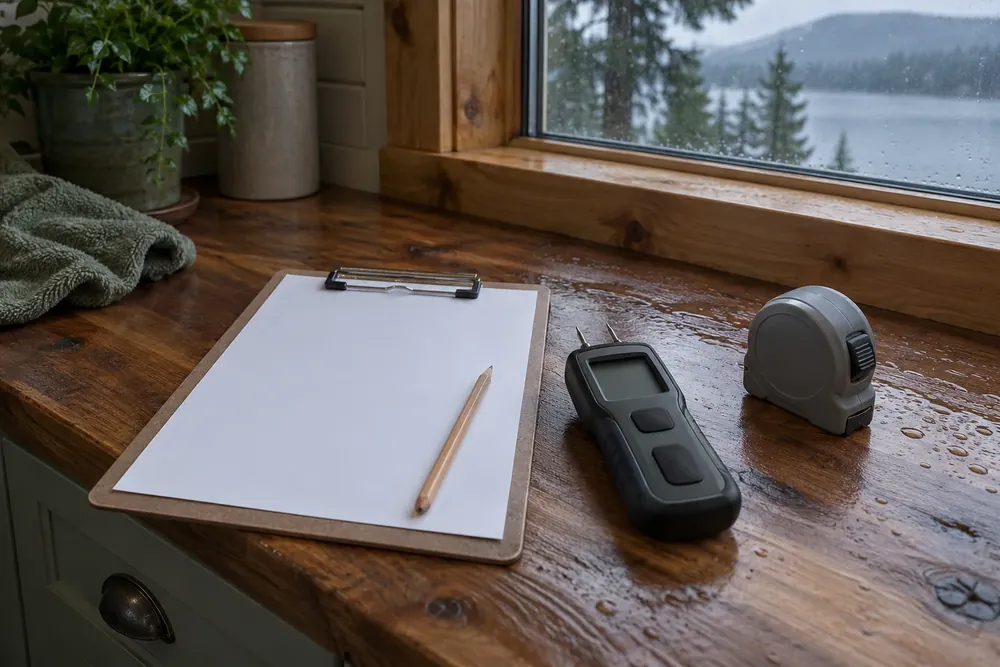
Blank inspection sheet, pencil, moisture meter and tape measure on a damp cedar countertop

Why homeowners call about ceiling leaks

  • Calls answered around the clock. Calls are answered around the clock, including when a ceiling starts dripping overnight.
  • Local restoration professionals. Ceiling inspection focuses on the cavity and framing rather than stopping at the discolored paint.
  • A scope you can review. The proposed work and price are explained before removal or drying begins.
  • Documentation for insurance. Photographs, moisture measurements, and a written description of damage give you records to share with your insurer.

Keep clear of unstable ceilings

Keep people away from a sagging ceiling and call from a safe room. Do not stand beneath the bulge, press on the board, or climb up to inspect the cavity. Leave the building if you hear shifting or cracking that suggests structural movement; CDC guidance advises leaving when a damaged building makes unusual noises.

Water near a light fixture creates an electrical concern. CDC advises switching off wet circuits only when the main panel can be reached without entering standing water. Otherwise, leave the switching to an electrician.

Avoid scraping an old textured ceiling. EPA identifies asbestos hazards in older building materials; suspected material needs assessment before disturbance. Share the ceiling's condition during the call without opening it yourself.

Areas we serve around Post Falls

Our local restoration professionals serve Post Falls, Coeur d'Alene, Hayden, and Rathdrum in Idaho, and Liberty Lake, Spokane Valley, Fairwood, and Spokane in Washington, handling ceiling leaks from inspection through drying and repair.

Ceiling Water Damage FAQs

What does ceiling water damage look like?

Ceiling damage often appears as brown rings, peeling paint, softened drywall, or a seam that has begun to separate. Water can also collect above the board before a stain appears. Describe any spreading mark or dripping during your call. Your technician checks moisture beyond the visible edge to establish the affected area.

Who handles water damage ceiling repair near me?

Call this line for ceiling restoration in Post Falls, including inspection, drying, and a repair scope. Your technician evaluates the damaged material and the space above it. A plumbing leak or roof defect may need separate repair. The inspection distinguishes work on the water source from work on the wet ceiling.

Can water damage cause a ceiling to collapse?

Yes, a saturated ceiling can lose strength and fall, especially where the board sags or separates from its supports. Stay out of the area underneath it and call from somewhere safe. Do not poke a drain hole yourself. An inspection establishes how the damaged section can be accessed and removed safely.

Does a ceiling water damage fix mean repainting the stain?

Repainting alone does not resolve trapped moisture or an ongoing leak. The source needs attention, and the cavity needs moisture checks before finish work begins. Board that has softened or lost its shape may require replacement. Sound material is assessed for drying, with the final patch based on the condition found.

What happens when ceiling drywall gets wet?

Wet drywall can soften, swell, and separate at the paper facing or joints. Insulation above it may also hold water against the framing. Your technician checks the board's condition and the hidden moisture before deciding what stays. Drying measurements guide the next step, rather than the surface color alone.

Call about the ceiling stain, drip, or sag you see, and start arranging an inspection of the affected room.

Call (208) 877-4177
Call (208) 877-4177